Buy mfsc.eu ?
We are moving the project
mfsc.eu .
Are you interested in purchasing the domain
mfsc.eu ?
domain@kv-gmbh.de · 0541-91531010
Buy mfsc.eu ?
What is the difference between daily contact lenses, monthly contact lenses, and yearly contact lenses?
The main difference between daily, monthly, and yearly contact lenses is their replacement schedule. Daily contact lenses are designed to be worn once and then discarded, making them convenient and hygienic. Monthly contact lenses are meant to be worn for up to 30 days before being replaced, while yearly contact lenses can be worn for up to a year with proper care and cleaning. Each type of contact lens has its own advantages and considerations, such as cost, convenience, and maintenance requirements. **
What would you recommend: daily contact lenses or monthly contact lenses?
The choice between daily and monthly contact lenses depends on individual preferences and needs. Daily contact lenses are convenient and hygienic as they are disposed of after each use, reducing the risk of eye infections. They are also ideal for occasional wearers. On the other hand, monthly contact lenses are cost-effective and environmentally friendly, as they are replaced less frequently. They are suitable for regular wearers who are comfortable with the maintenance routine. Ultimately, it is best to consult with an eye care professional to determine the most suitable option based on your lifestyle and eye health. **


Similar search terms for Contact lenses
Top-Angebote
Products related to Contact lenses:
-
Arctic Hayes Non-Contact Voltage DetectorArctic Hayes Non-Contact Voltage Detector – 12–1000V AC CAT III 1000V Double Insulated The Arctic Hayes AH12 is a non-contact voltage detector for quickly identifying live AC circuits without needing to touch the conductor. It detects voltage from 12V to 1000V AC at 50/60Hz, giving a red LED flash and an audible alarm together when voltage is present, so it's usable in both bright and low-light conditions and where background noise might make an audible-only signal easy to miss. The body is double insulated for additional protection when working near live circuits, and it's rated CAT III 1000V, the correct category for fixed electrical installations such as distribution boards, fixed wiring, motors and industrial equipment. It also includes a built-in flashlight function for checking connections in poorly lit spaces. Compact and light13,32 £*Shipping: 5,00 £Secure redirect to the provider
-
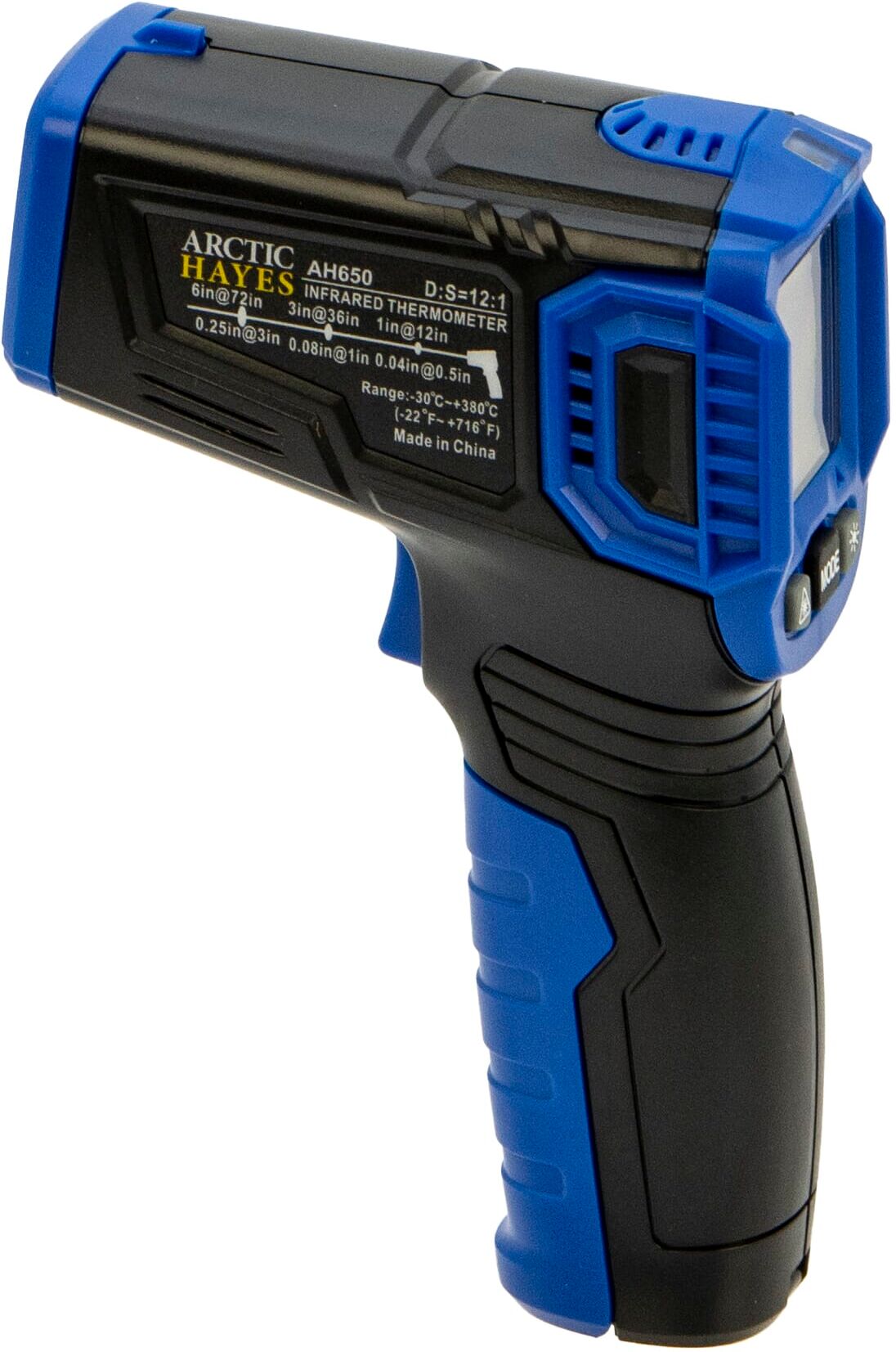
Arctic Hayes Infrared Digital Thermometer – Non-ContactArctic Hayes Infrared Digital Thermometer – Non-Contact (AH650) The Arctic Hayes Infrared Digital Thermometer is a fast, accurate and reliable tool for measuring temperatures of hard-to-reach surfaces without physical contact. A unique 12-point circular laser targeting system gives precise, clear readings every time. With a temperature range of -30°C to +380°C (-22°F to 716°F), this professional-grade thermometer suits HVAC engineers, plumbers, electricians and general trades. Its bright LCD display, built-in alarms and compact design make it a practical choice for quick diagnostics, safety, accuracy and ease of use. Key Features & Benefits Non-Contact Measurement: Measure temperatures of hard-to-reach surfaces without direct contact. 12-Point Circu43,50 £*Shipping: 5,00 £Secure redirect to the provider
-
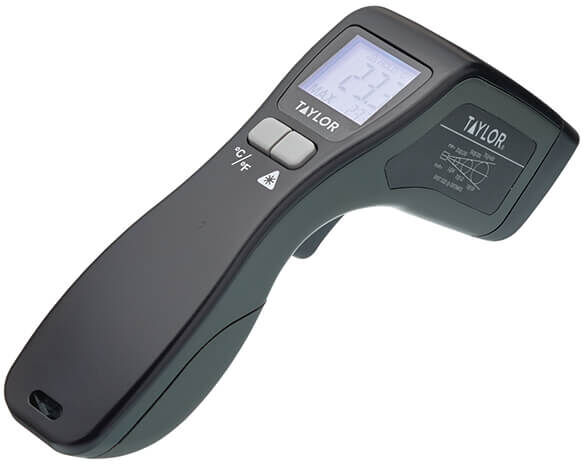
Taylor Pro Non-Contact Infrared Digital ThermometerThe Taylor Pro Digital Non-Contact Infrared Thermometer is a safe and hygienic way to take accurate temperature readings in an instant. Using infrared technology, this digital thermometer reduces the risk of cross food contamination as it doesn't have to come into contact with food. A quick squeeze of the trigger and this this thermometer will instantly provide a reading - from -45°C to 400°C (-49°F to 752°F). This infrared thermometer is particularly good for liquid recipes for which temperature is key, such as caramel, melted chocolate, sauces, syrups and soups. It can also be used to check if woks, pans and griddles are hot enough for frying, searing and sauteing, reducing the risk of scalds and burns. The Taylor Pro Digital Non-Contact Infrared Thermometer requires 2x AAA batteries (not supplied) and measures 10cm x 4cm x 15cm.39,99 £*Shipping: 3,50 £Secure redirect to the provider
-
Eve Door & Window (Matter) Smart Contact Sensor - ThreadEve Door & Window (Matter) is a wireless contact sensor for doors and windows. It reports whether a door or window is open or closed, can trigger other smart home accessories automatically and send notifications. It connects over Thread and works with Matter-compatible smart home platforms.44,49 £*Shipping: 0,00 £Secure redirect to the provider


-
Is it dangerous to remove contact lenses with disposable gloves?
It is not necessarily dangerous to remove contact lenses with disposable gloves, but it is not recommended. Disposable gloves are not designed for handling contact lenses and may not provide the necessary grip or dexterity needed to safely remove them. It is best to use clean hands washed with soap and water to avoid any potential damage to the lenses or eyes. **
-
Can contact lenses rotate?
Yes, contact lenses can rotate on the eye. This can happen due to factors such as blinking, eye movement, or the fit of the lens on the eye. However, excessive rotation of contact lenses can lead to discomfort, blurry vision, or improper alignment of the lens with the eye. It is important to ensure that contact lenses fit properly and stay in the correct position on the eye to maintain clear vision and comfort. **
-
Can contact lenses twist?
Yes, contact lenses can twist or rotate on the eye. This can happen due to factors such as blinking, rubbing the eyes, or improper placement of the lens. If you experience discomfort or blurry vision while wearing contact lenses, it is important to check if the lens has twisted and reposition it if necessary. Twisting of contact lenses can also occur if the lens is not properly fitted or if the prescription is incorrect. **
-
Who wears contact lenses?
Contact lenses are worn by people who have vision problems such as nearsightedness, farsightedness, astigmatism, or presbyopia. They are also worn by individuals who prefer not to wear glasses for aesthetic reasons or for activities where glasses may be impractical, such as sports. Contact lenses are available for people of all ages, from children to older adults. **

For divers: Contact lenses?
Contact lenses can be a good option for divers who need vision correction underwater. They provide better peripheral vision compared to traditional diving masks with prescription lenses. However, divers should be cautious about water getting into their eyes while wearing contact lenses, as this can lead to discomfort or infection. It is important to consult with an eye care professional before using contact lenses for diving to ensure they are the right choice for your specific needs. **
What bothers contact lenses?
Contact lenses can be bothered by a variety of factors, including dryness, dust, debris, and protein buildup. Dryness can cause discomfort and irritation, while dust and debris can get trapped under the lens, causing discomfort and potentially scratching the eye. Protein buildup can also occur on the surface of the lens, leading to blurred vision and discomfort. It's important to properly clean and care for contact lenses to minimize these bothersome factors. **
Top-Angebote
Products related to Contact lenses:
-
Salvelox Single Lens Multifunctional Solution for Flexible Contact Lenses 360mLA skin-care product. Single Lens Solution is a comprehensive solution for the care of flexible contact lenses. It combines effective cleaning, disinfection, and protein elimination to enhance lens comfort. The sterile, isotonic aqueous solution features key agents:. Polyhexanide: A potent biocidal disinfectant and preservative that maintains lenses free of bacteria and germs.11,44 £*Shipping: 7,11 £Secure redirect to the provider
-
Testo 745 Non-Contact Voltage TesterThe Testo 745 Non-contact Voltage Tester is the perfect tool for fast initial checks of suspected electrical faults. Designed with advanced features to ensure accuracy and safety, it filters high-frequency interference signals and offers a two-stage sensitivity setting. This tester quickly detects AC voltage in systems up to 1000 VAC, making it a reliable choice for HVAC professionals. Key Features Fast Voltage Detection: Quickly checks for the presence of voltage in AC-powered systems. High Sensitivity: Two-stage sensitivity setting to cater to different testing needs. Safe Operation: Detects voltage up to 1000 VAC safely. Clear Indications: Flashing RED LEDs an30,60 £*Shipping: 5,00 £Secure redirect to the provider
-
Arctic Hayes Non-Contact Voltage DetectorArctic Hayes Non-Contact Voltage Detector – 12–1000V AC CAT III 1000V Double Insulated The Arctic Hayes AH12 is a non-contact voltage detector for quickly identifying live AC circuits without needing to touch the conductor. It detects voltage from 12V to 1000V AC at 50/60Hz, giving a red LED flash and an audible alarm together when voltage is present, so it's usable in both bright and low-light conditions and where background noise might make an audible-only signal easy to miss. The body is double insulated for additional protection when working near live circuits, and it's rated CAT III 1000V, the correct category for fixed electrical installations such as distribution boards, fixed wiring, motors and industrial equipment. It also includes a built-in flashlight function for checking connections in poorly lit spaces. Compact and light13,32 £*Shipping: 5,00 £Secure redirect to the provider
-
Arctic Hayes Infrared Digital Thermometer – Non-ContactArctic Hayes Infrared Digital Thermometer – Non-Contact (AH650) The Arctic Hayes Infrared Digital Thermometer is a fast, accurate and reliable tool for measuring temperatures of hard-to-reach surfaces without physical contact. A unique 12-point circular laser targeting system gives precise, clear readings every time. With a temperature range of -30°C to +380°C (-22°F to 716°F), this professional-grade thermometer suits HVAC engineers, plumbers, electricians and general trades. Its bright LCD display, built-in alarms and compact design make it a practical choice for quick diagnostics, safety, accuracy and ease of use. Key Features & Benefits Non-Contact Measurement: Measure temperatures of hard-to-reach surfaces without direct contact. 12-Point Circu43,50 £*Shipping: 5,00 £Secure redirect to the provider
-
What is the difference between daily contact lenses, monthly contact lenses, and yearly contact lenses?
The main difference between daily, monthly, and yearly contact lenses is their replacement schedule. Daily contact lenses are designed to be worn once and then discarded, making them convenient and hygienic. Monthly contact lenses are meant to be worn for up to 30 days before being replaced, while yearly contact lenses can be worn for up to a year with proper care and cleaning. Each type of contact lens has its own advantages and considerations, such as cost, convenience, and maintenance requirements. **
-
What would you recommend: daily contact lenses or monthly contact lenses?
The choice between daily and monthly contact lenses depends on individual preferences and needs. Daily contact lenses are convenient and hygienic as they are disposed of after each use, reducing the risk of eye infections. They are also ideal for occasional wearers. On the other hand, monthly contact lenses are cost-effective and environmentally friendly, as they are replaced less frequently. They are suitable for regular wearers who are comfortable with the maintenance routine. Ultimately, it is best to consult with an eye care professional to determine the most suitable option based on your lifestyle and eye health. **
-
Is it dangerous to remove contact lenses with disposable gloves?
It is not necessarily dangerous to remove contact lenses with disposable gloves, but it is not recommended. Disposable gloves are not designed for handling contact lenses and may not provide the necessary grip or dexterity needed to safely remove them. It is best to use clean hands washed with soap and water to avoid any potential damage to the lenses or eyes. **
-
Can contact lenses rotate?
Yes, contact lenses can rotate on the eye. This can happen due to factors such as blinking, eye movement, or the fit of the lens on the eye. However, excessive rotation of contact lenses can lead to discomfort, blurry vision, or improper alignment of the lens with the eye. It is important to ensure that contact lenses fit properly and stay in the correct position on the eye to maintain clear vision and comfort. **
Similar search terms for Contact lenses
-
Taylor Pro Non-Contact Infrared Digital ThermometerThe Taylor Pro Digital Non-Contact Infrared Thermometer is a safe and hygienic way to take accurate temperature readings in an instant. Using infrared technology, this digital thermometer reduces the risk of cross food contamination as it doesn't have to come into contact with food. A quick squeeze of the trigger and this this thermometer will instantly provide a reading - from -45°C to 400°C (-49°F to 752°F). This infrared thermometer is particularly good for liquid recipes for which temperature is key, such as caramel, melted chocolate, sauces, syrups and soups. It can also be used to check if woks, pans and griddles are hot enough for frying, searing and sauteing, reducing the risk of scalds and burns. The Taylor Pro Digital Non-Contact Infrared Thermometer requires 2x AAA batteries (not supplied) and measures 10cm x 4cm x 15cm.39,99 £*Shipping: 3,50 £Secure redirect to the provider
-
Eve Door & Window (Matter) Smart Contact Sensor - ThreadEve Door & Window (Matter) is a wireless contact sensor for doors and windows. It reports whether a door or window is open or closed, can trigger other smart home accessories automatically and send notifications. It connects over Thread and works with Matter-compatible smart home platforms.44,49 £*Shipping: 0,00 £Secure redirect to the provider
-
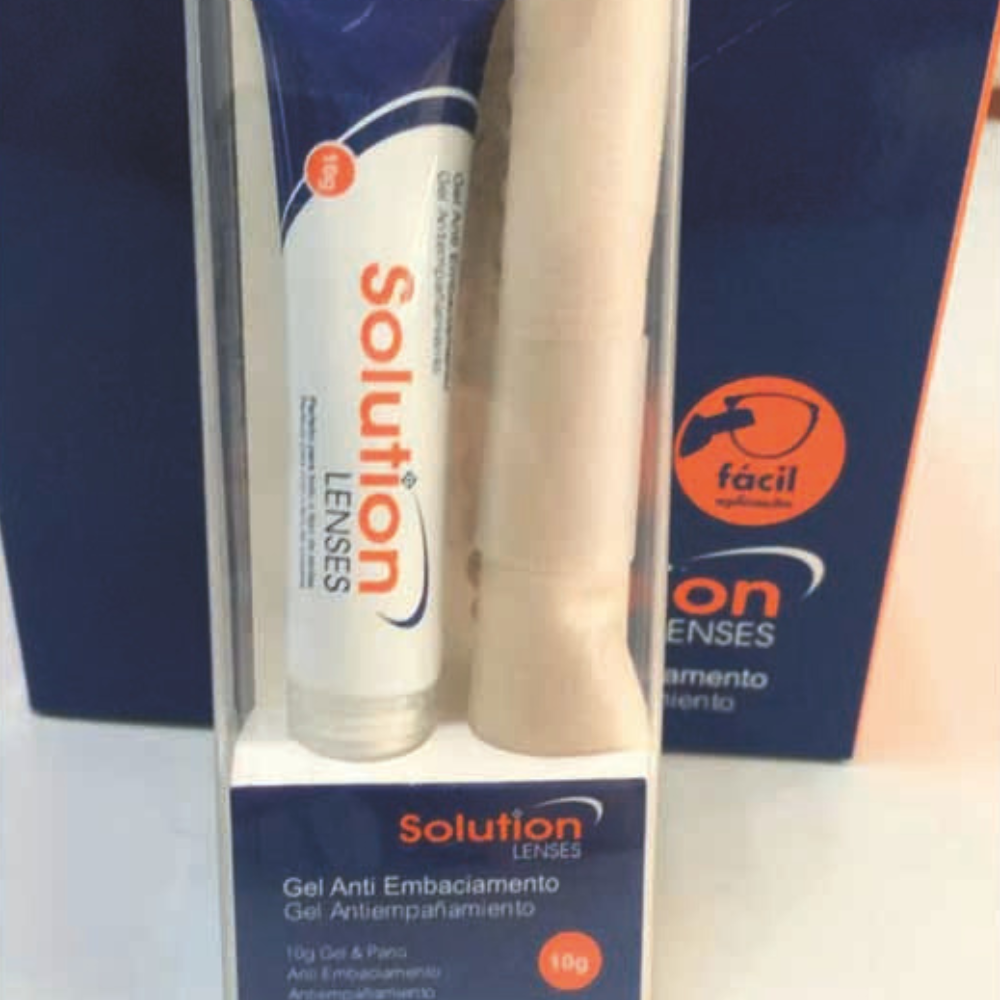
Solution Lenses Glasses Extra Anti-Fog Gel 10gA skin-care product. anti-fog gel is a gel to prevent the fogging of all types of lenses. Tube with its own end to facilitate the application of the gel in the lens. Microfiber with anti-fog effect. Place a small drop of gel on each face of the lens. Spread and clean with the cloth included in the package until the lens is clean and dry.13,25 £*Shipping: 4,22 £Secure redirect to the provider
-
Solution Lenses Glasses Anti-Fog Wipes 30 un.A skin-care product. Quickly eliminate fog for clear vision on-the-go. Single-use wipes for convenient, on-the-go use. Quickly eliminates fog for clear vision. Easy-to-use solution for glasses and lenses. Say goodbye to foggy lenses with This product. Designed for single-use, these wipes provide a quick solution to keep your vision clear wherever you go.9,44 £*Shipping: 5,34 £Secure redirect to the provider
-
Can contact lenses twist?
Yes, contact lenses can twist or rotate on the eye. This can happen due to factors such as blinking, rubbing the eyes, or improper placement of the lens. If you experience discomfort or blurry vision while wearing contact lenses, it is important to check if the lens has twisted and reposition it if necessary. Twisting of contact lenses can also occur if the lens is not properly fitted or if the prescription is incorrect. **
-
Who wears contact lenses?
Contact lenses are worn by people who have vision problems such as nearsightedness, farsightedness, astigmatism, or presbyopia. They are also worn by individuals who prefer not to wear glasses for aesthetic reasons or for activities where glasses may be impractical, such as sports. Contact lenses are available for people of all ages, from children to older adults. **
-
For divers: Contact lenses?
Contact lenses can be a good option for divers who need vision correction underwater. They provide better peripheral vision compared to traditional diving masks with prescription lenses. However, divers should be cautious about water getting into their eyes while wearing contact lenses, as this can lead to discomfort or infection. It is important to consult with an eye care professional before using contact lenses for diving to ensure they are the right choice for your specific needs. **
-
What bothers contact lenses?
Contact lenses can be bothered by a variety of factors, including dryness, dust, debris, and protein buildup. Dryness can cause discomfort and irritation, while dust and debris can get trapped under the lens, causing discomfort and potentially scratching the eye. Protein buildup can also occur on the surface of the lens, leading to blurred vision and discomfort. It's important to properly clean and care for contact lenses to minimize these bothersome factors. **
* All prices are inclusive of VAT and, if applicable, plus shipping costs. The offer information is based on the details provided by the respective shop and is updated through automated processes. Real-time updates do not occur, so deviations can occur in individual cases. ** Note: Parts of this content were created by AI.